Precision Platformer Game Design
Background
Lacuna is a 2D pixel-art platformer inspired by Foddian-style design, centered on precision and control.
Rather than rewarding progress, the game reframes it as risk — each step subtly destabilizes the world. Mechanics, level structure, and aesthetics work together to communicate tension through systems, not exposition.
Goals




Core Concept
Lacuna unfolds in a fractured vertical world known as the Void. The player controls Soren, a fallen knight seeking escape by collecting four ancient gems scattered across the environment.
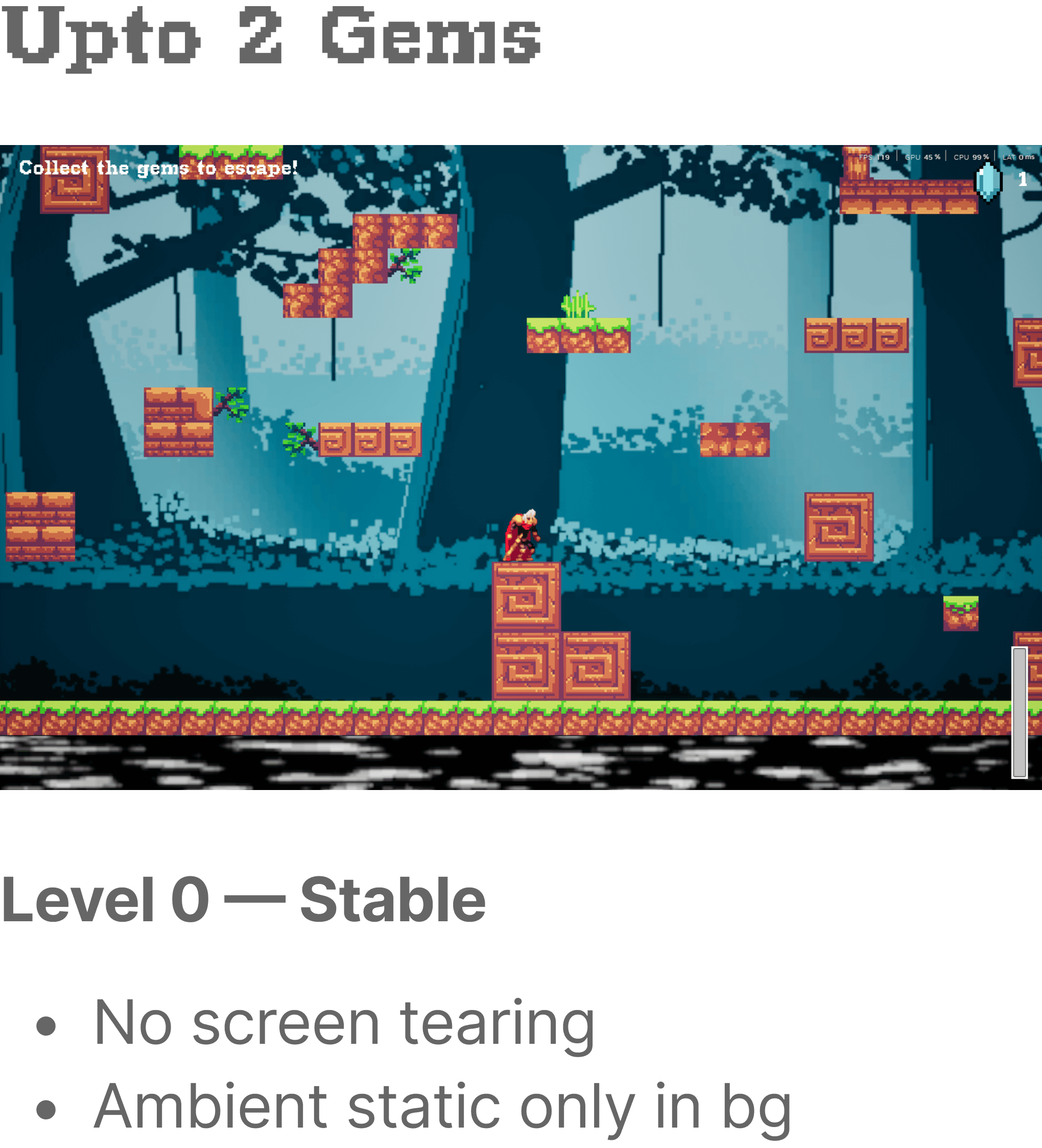
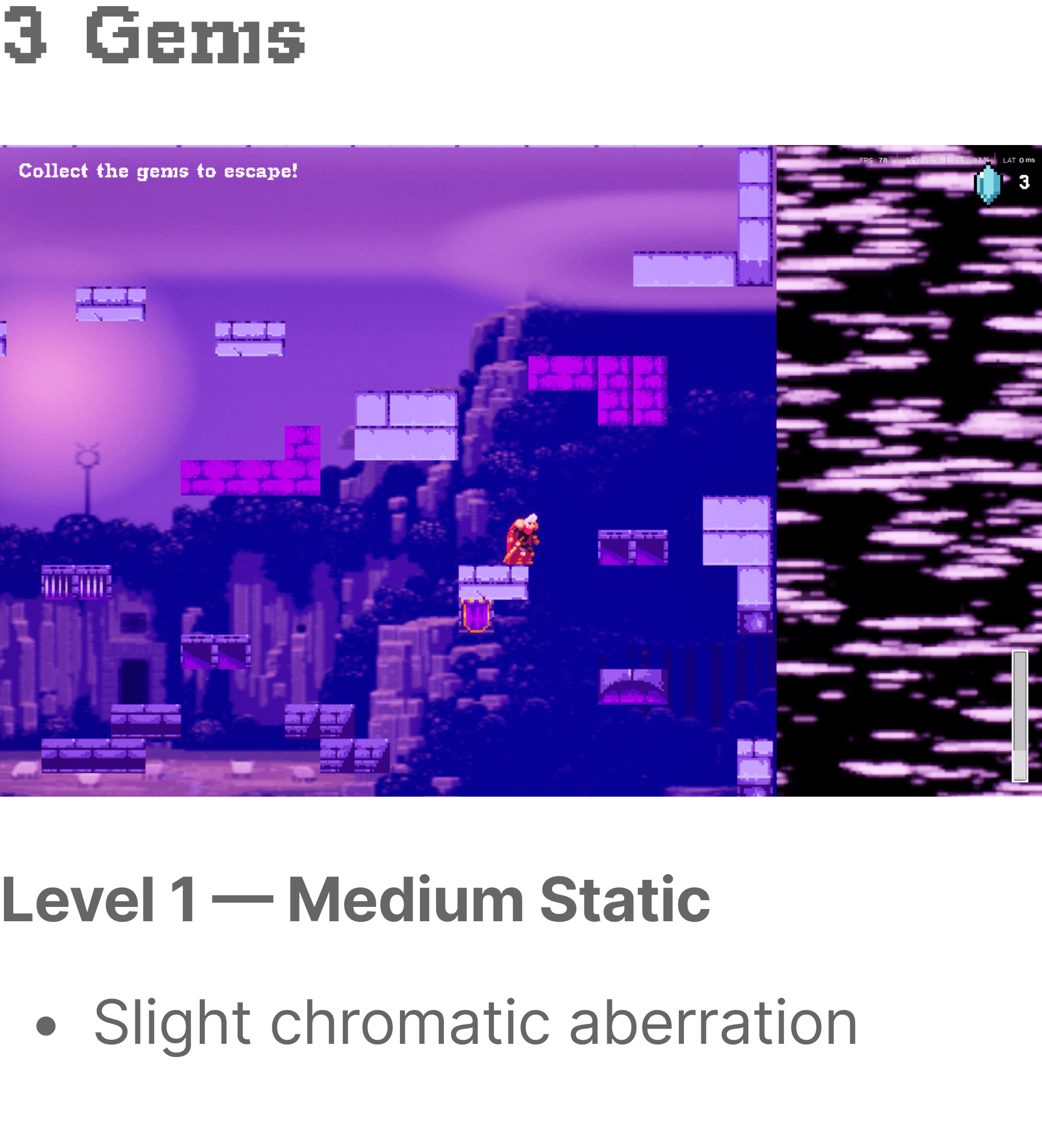
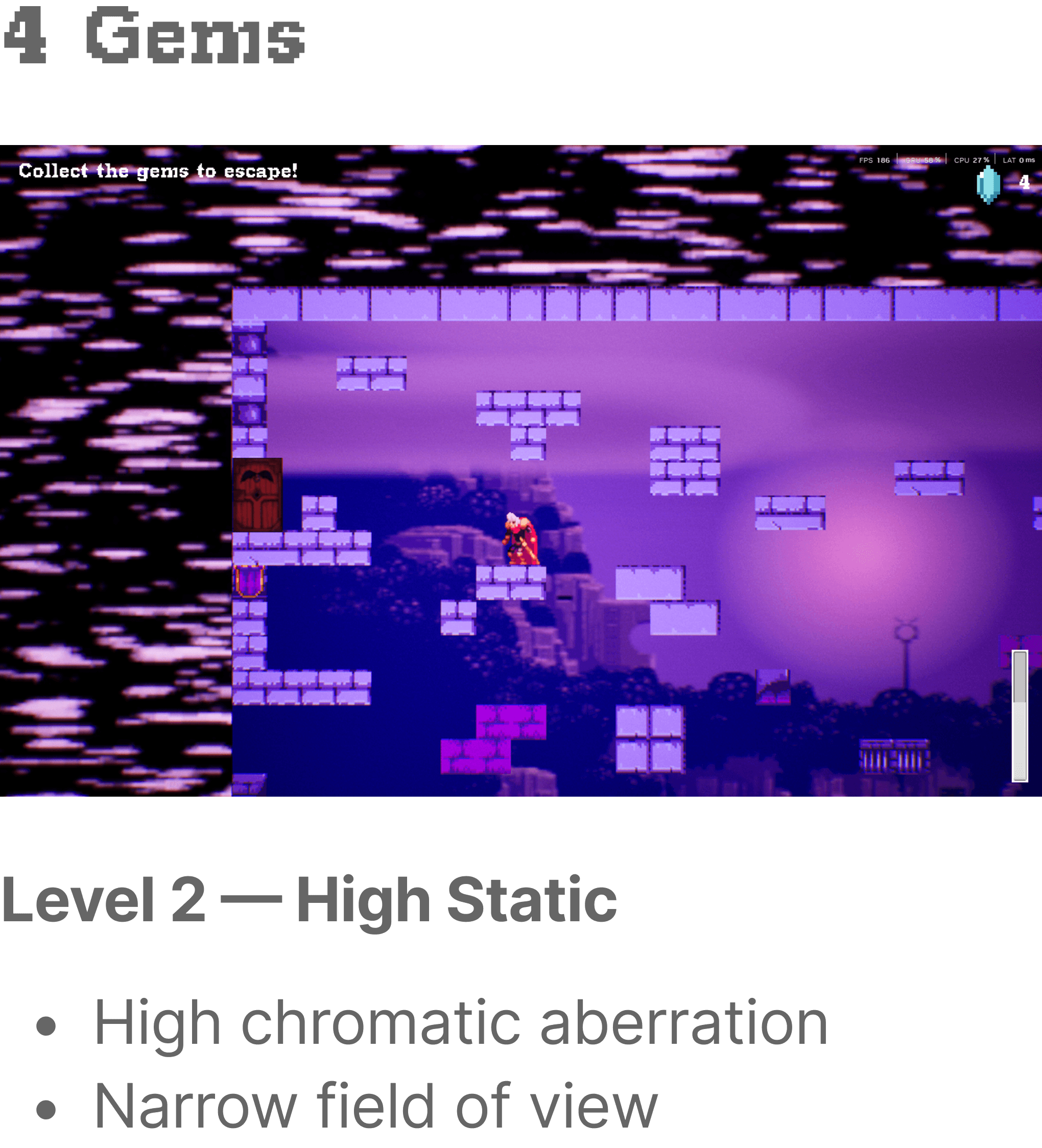
Each gem intensifies the world’s instability. Visual distortion increases, clarity diminishes, and movement becomes harder to read. Progress is irreversible, once a gem is claimed, the game shifts permanently into a harsher state.
There are no checkpoints. Falling is expected, and recovery is part of the experience.
Gameplay and Mechanics
The game uses a minimal control scheme to keep the focus on player skill:

There is no tutorial. Players learn through failure and repetition. As they ascend, recovery narrows and precision becomes essential, with the vertical structure ensuring every mistake carries weight.
World and Narrative Design
The Void is intentionally sparse—there are no NPCs or dialogue, and narrative emerges solely through environment and progression. The journey moves from decayed forest ruins to the unstable Void Citadel, where fractured architecture and escalating glitches mirror the protagonist’s internal decline. Multiple endings reflect player choice, with greater gem collection increasing the likelihood of a harsher outcome.
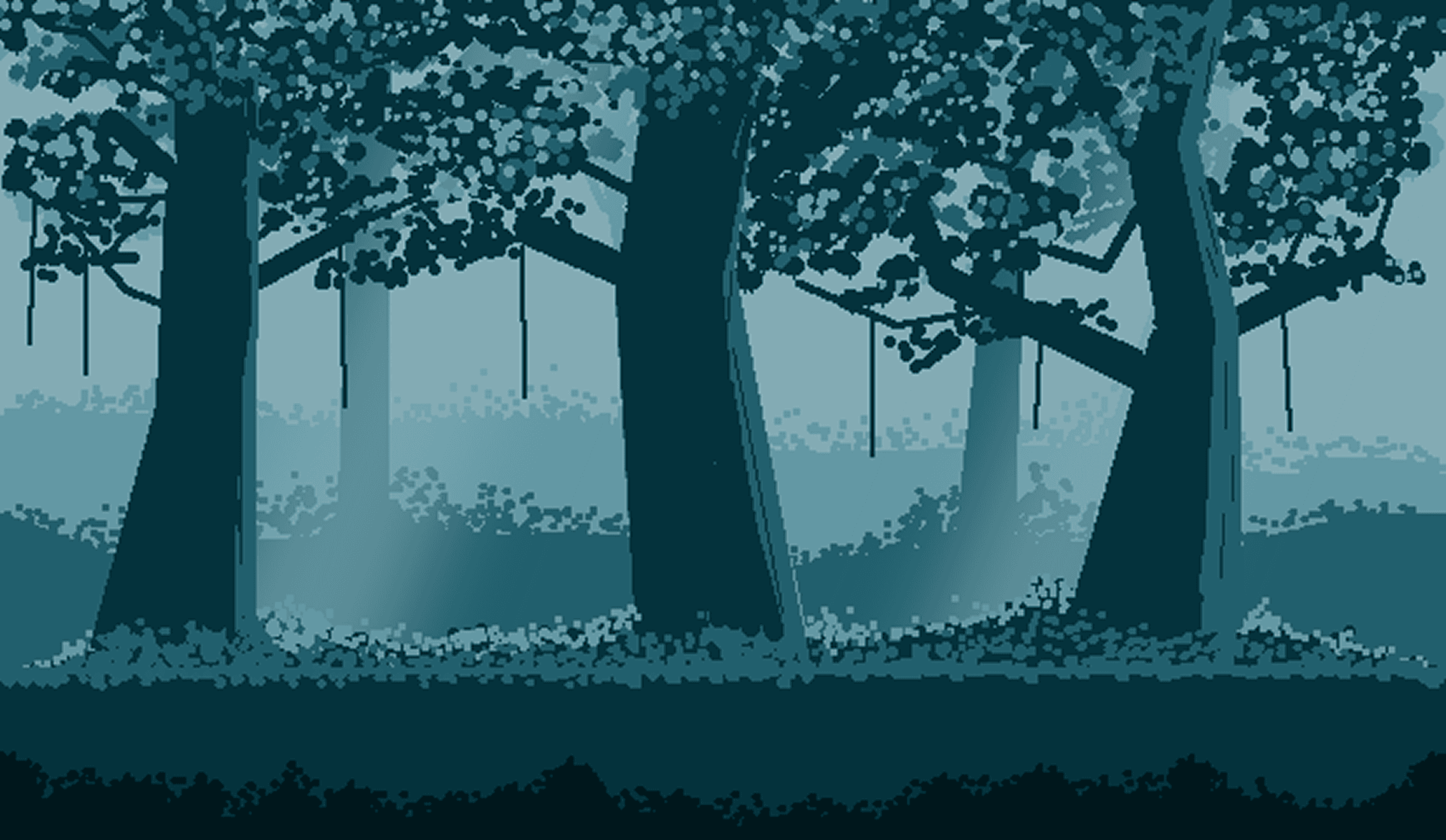
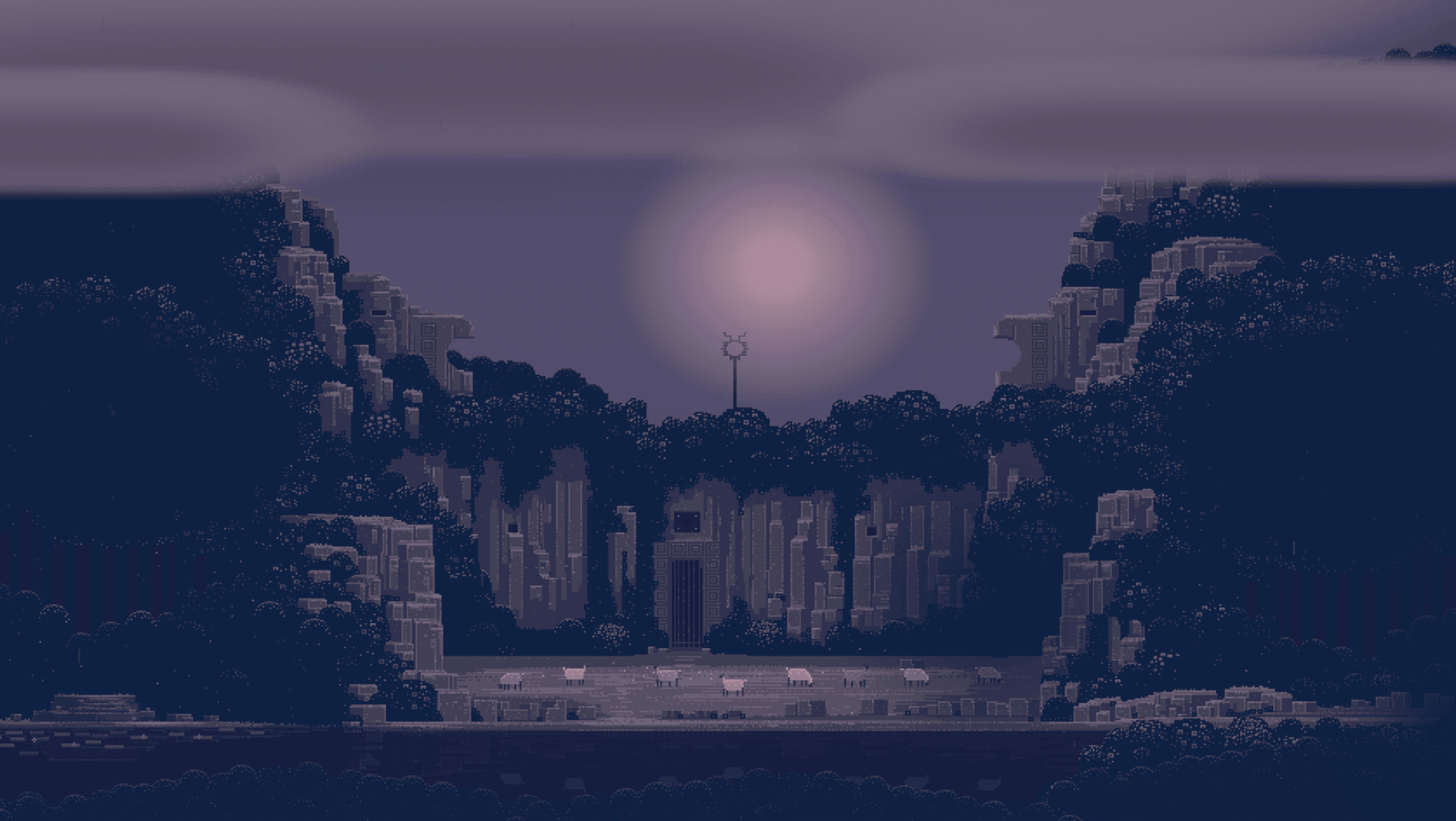
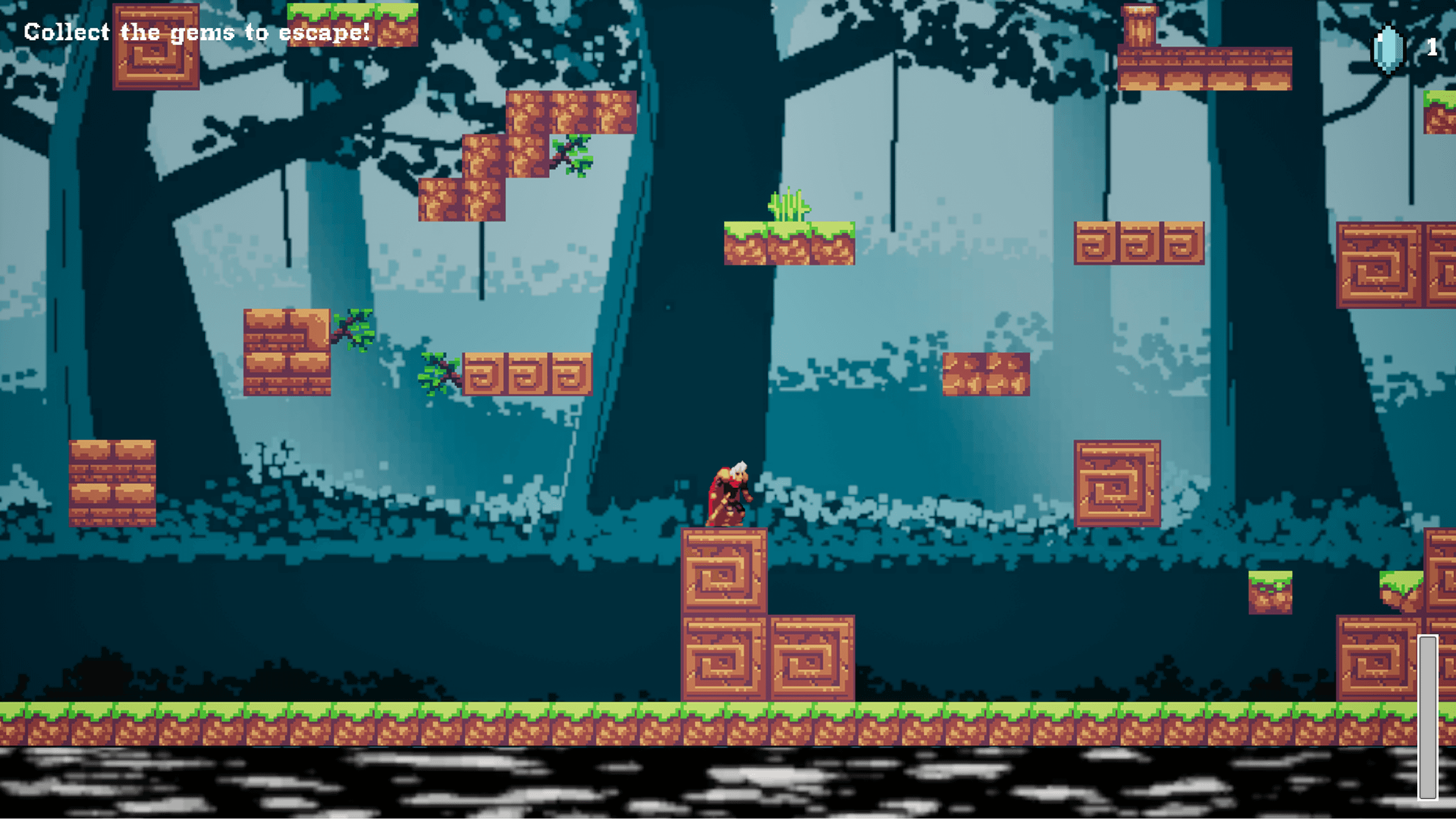
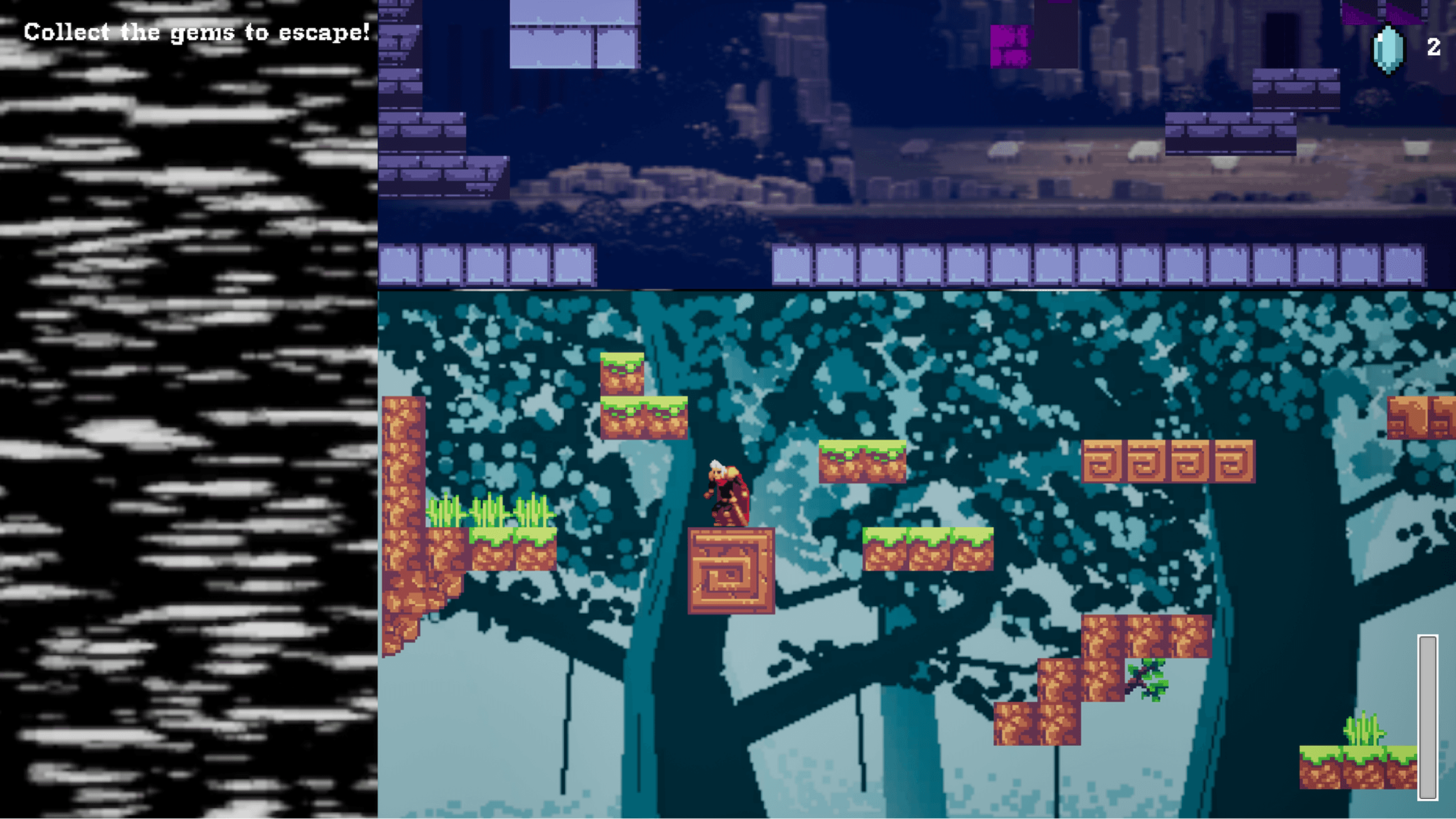
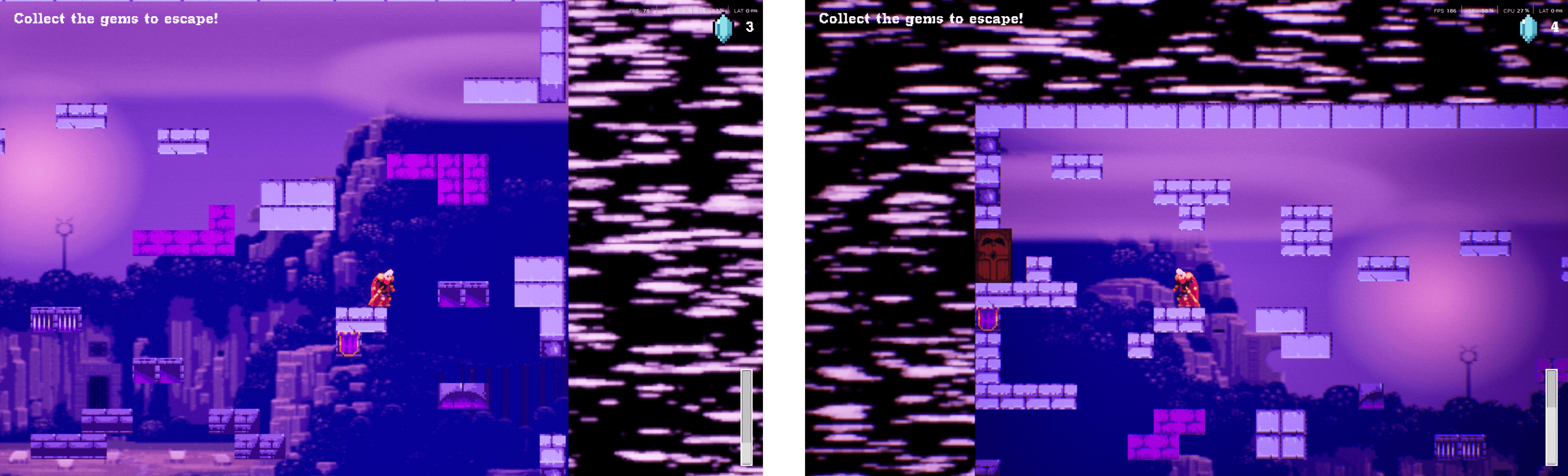
Lacuna features two vertically oriented levels—The Forest Ruins and the Void Citadel—each representing a deeper layer of the protagonist’s internal void. Players collect scattered gems and ascend toward the final door at the summit to escape.
Forest Ruins
A visually stable, half-decayed forest environment with pixelated ruins and subtle edge-level glitching.
Void Citadel
A surreal purple void defined by broken architecture, heavy edge-level glitching, and an unstable layout with fewer natural platforms.
User Experience Focus

Gameplay Walkthrough
This playthrough shows a complete ascent through Lacuna, from the Forest Ruins to the Void Citadel, presented without cuts or guidance.
The video serves as a direct view of Lacuna’s systems in motion, demonstrating how mechanics and audiovisual feedback communicate consequence without explicit narrative.
Click to download the game
A playable build of Lacuna is available to experience the game firsthand. The build includes the complete vertical platforming experience and reflects the systems and mechanics discussed in this article.
The game runs on Windows and is intended to be played with a keyboard.
Reflection
Lacuna demonstrates how mechanics can carry narrative weight without explicit storytelling. By tying difficulty progression directly to player actions, the project explores how systems can communicate consequence, restraint, and loss.
Click to explore the full case study
This overview outlines the core ideas behind Lacuna. The full case study expands on level design, system tuning, visual iteration, and technical implementation, with detailed breakdowns and comparisons.